

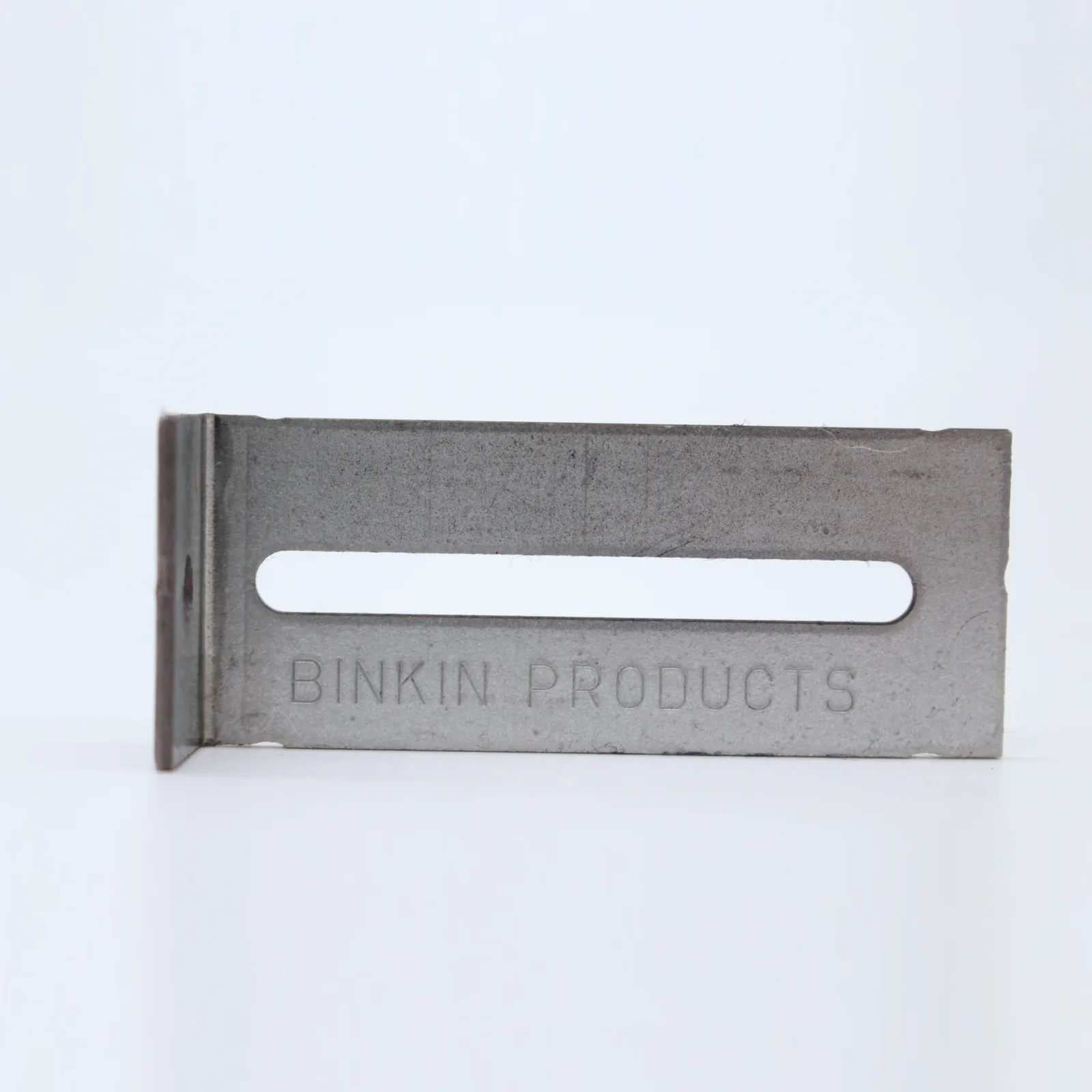
A slotted L-bracket is a right-angle metal bracket with a long slot in one leg instead of a single round hole. You drive a screw through the slot, slide the bracket until whatever it holds is level or lined up, then tighten the screw to lock it. A fixed L-bracket can only sit where you drilled; a slotted one can still move after the first screw is in.
How a slotted L-bracket works
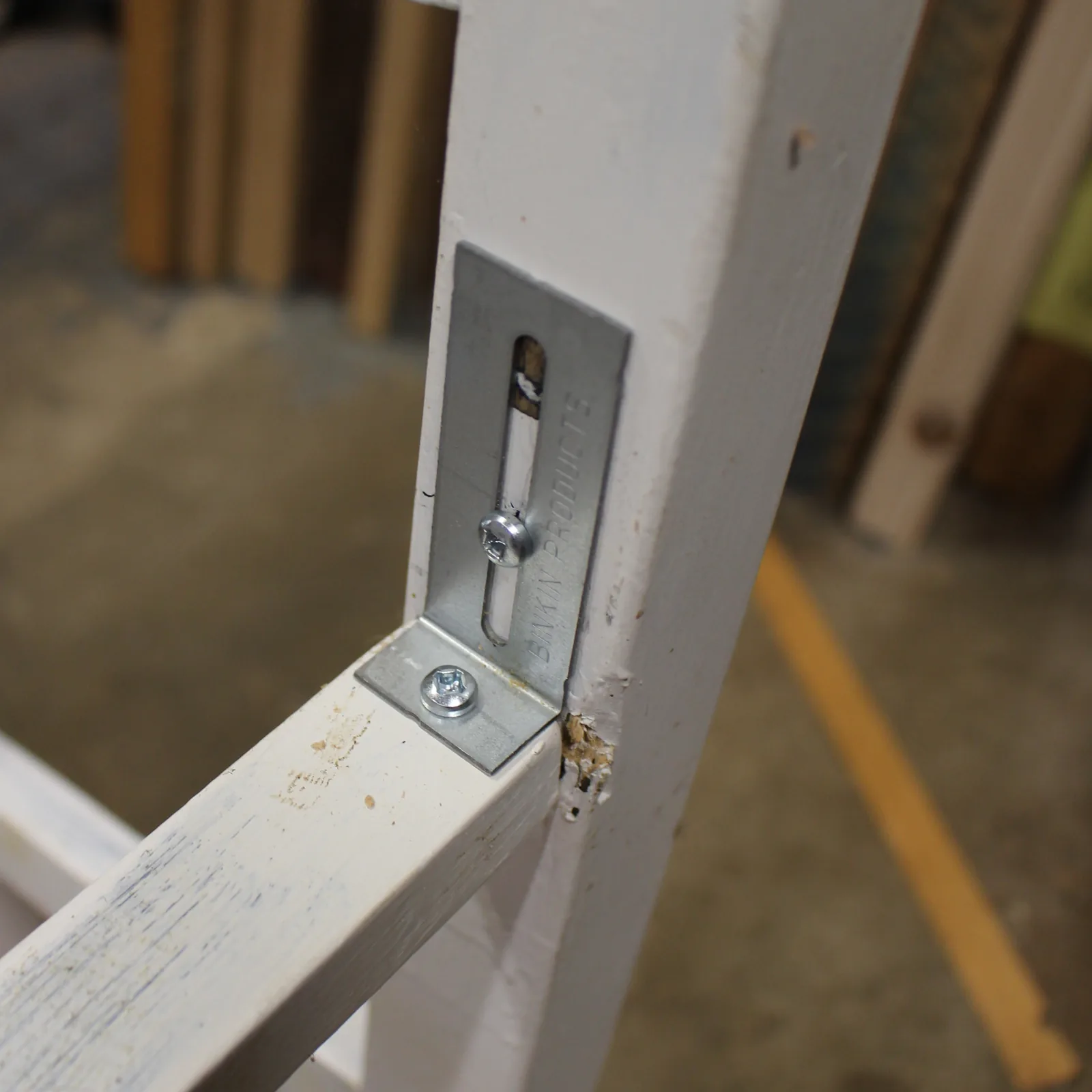
- AnchorPut the slotted leg against the wall, post or frame and drive a screw through the slot. Snug, not tight.
- SlideMove the bracket along the slot until the shelf, sign or rail is level or lined up with the next one.
- LockTighten the screw in the slot, then fasten through the hole in the short leg into whatever the bracket is holding.
The parts
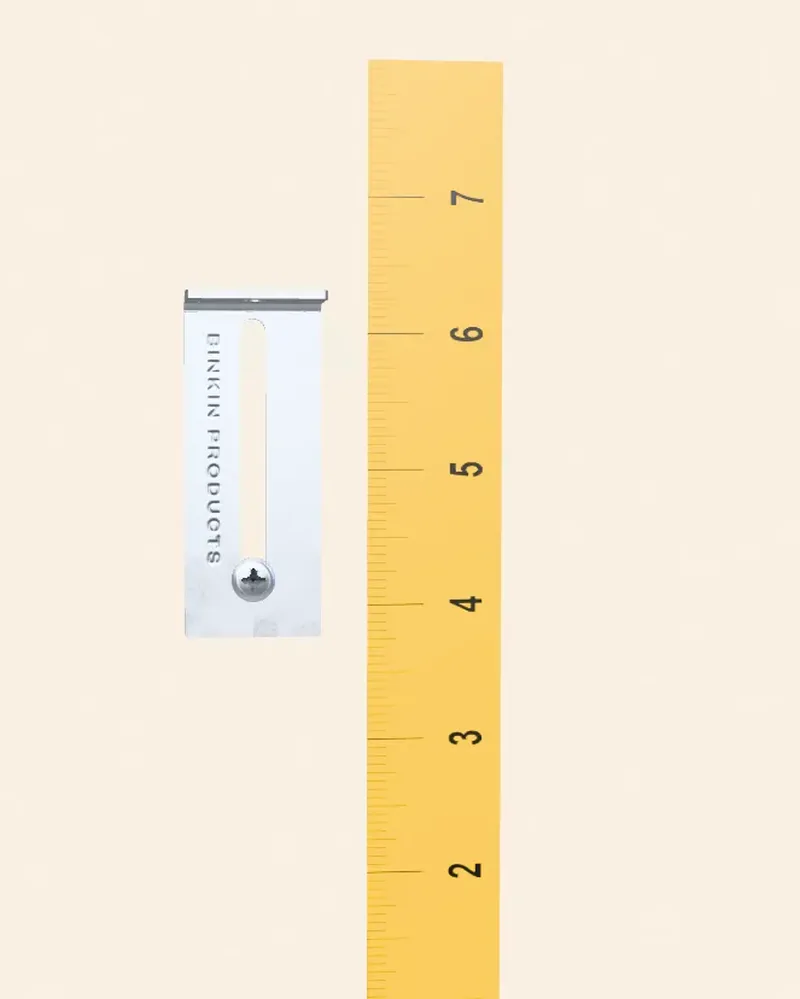
- The long leg, with the slot. It goes flat against the wall, post or frame. The slot lets it slide up and down (or side to side) before you tighten it.
- The short leg, with a hole. Often called the tab. It sits under or behind whatever you are holding and takes a screw into it.
- The bend. A square 90° corner, so the shelf or sign sits square to the wall.
What slotted L-brackets are used for
- Leveling shelves and cabinets on walls that are not straight (how to level a shelf).
- Hanging signs, artwork, mirrors and retail displays dead level.
- Running conduit and cable in a straight line.
- Bracing fence rails, and pulling loose furniture rails back tight.
- Hidden mounting, with the bracket behind a whiteboard, canvas or picture ledge, or under a tabletop.
- Joining two brackets through their slots to reach further.
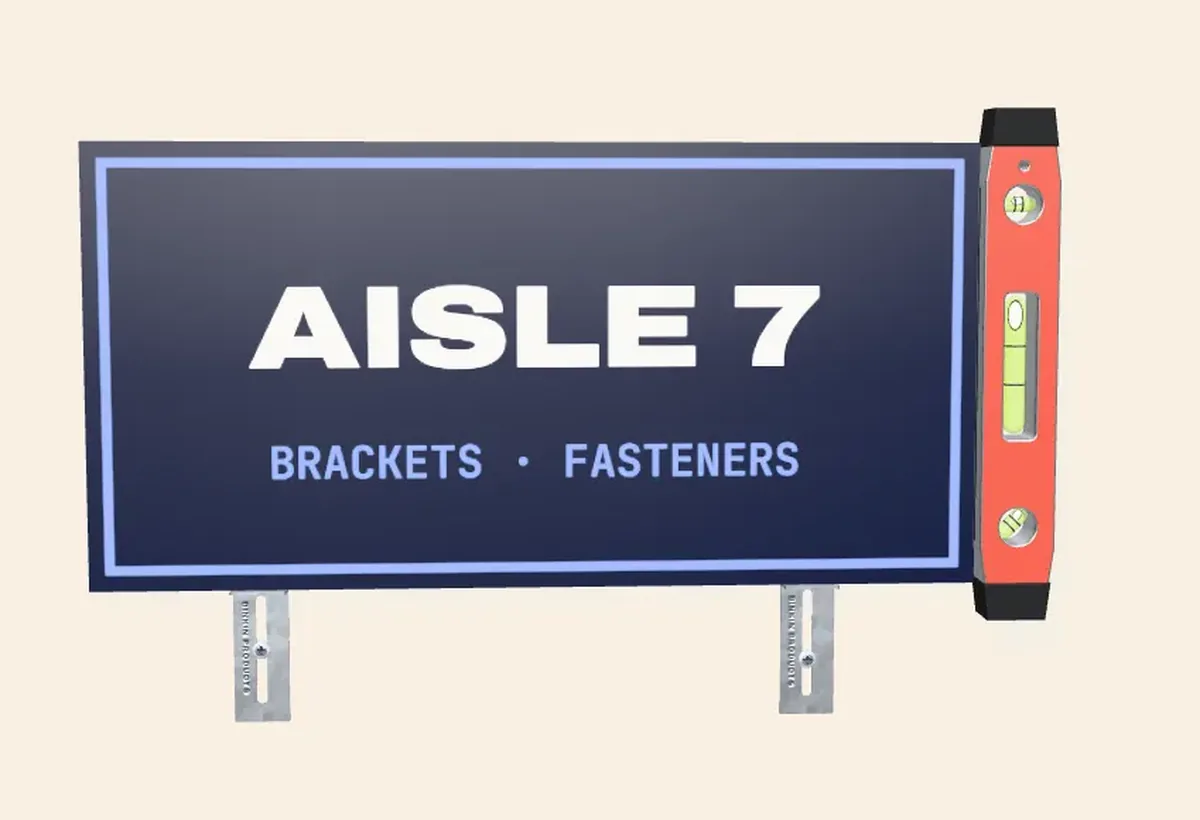
See each of these worked through in 3D on On the job.
When to use something else
A slotted L-bracket is light-duty hardware for positioning and leveling. For anything heavy or structural, like decks, beams, stairs or anything people stand on, use load-rated structural connectors made for the job. How much any small bracket holds depends far more on the screws and what they go into than on the steel: a screw pulling out of drywall gives long before the bracket does.
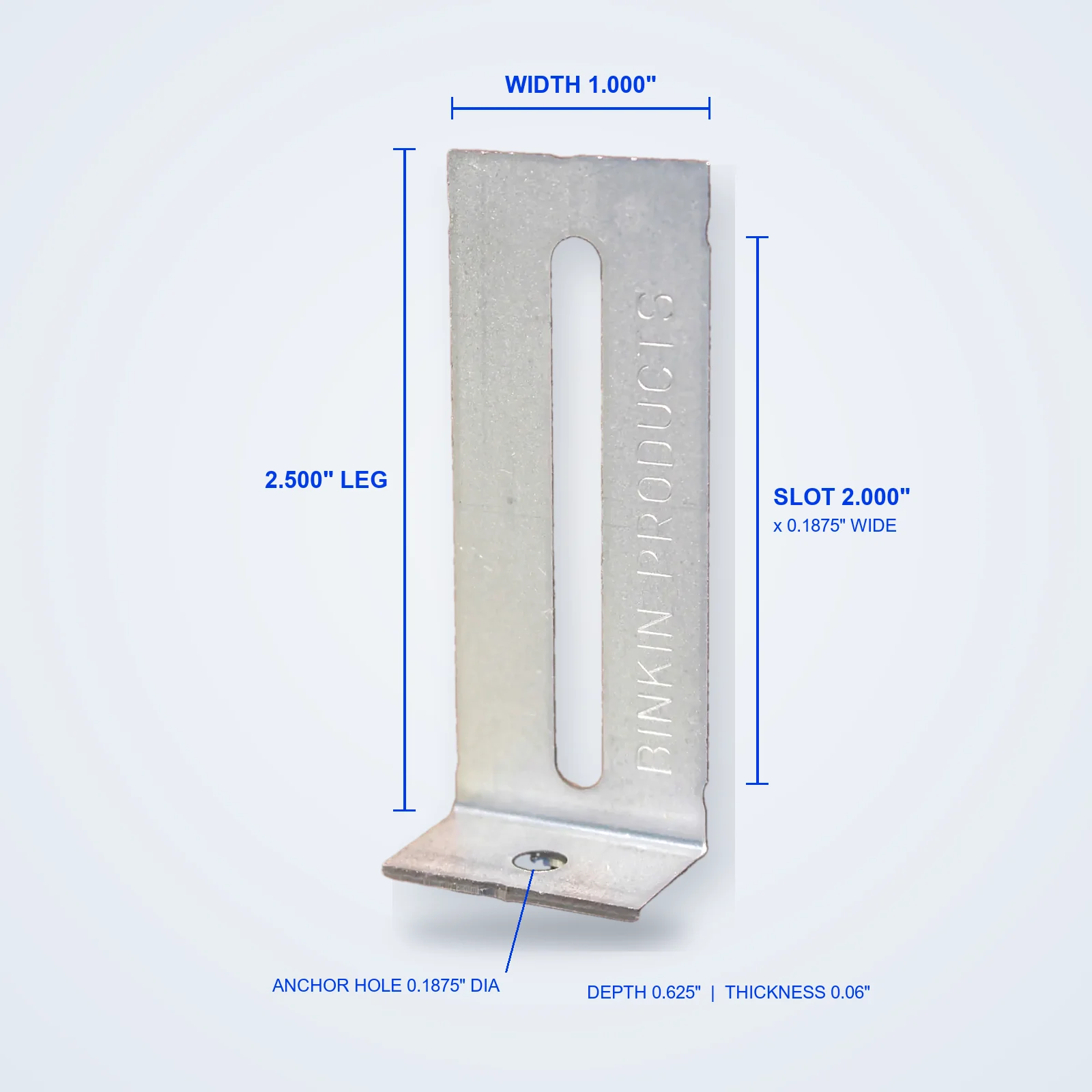
BINKIN’s slotted L-bracket, in numbers
- Material
- Galvanized steel, 0.06″ thick
- Width
- 1″
- Long leg
- 2.5″
- Short leg
- 0.625″
- Slot
- 2″ long, 3/16″ wide
- Anchor hole
- 3/16″
- Screws
- #8 and smaller, not included
- Made in
- USA
- Packs
- 8, 24, 50 or 100
Questions people ask
What is the difference between a slotted L-bracket and a regular L-bracket?
A regular (fixed) L-bracket has round holes, so it sits exactly where you drilled. A slotted L-bracket has a long slot in one leg, so you can slide it to level or line things up after the first screw is in, then tighten it.
What screws fit a slotted L-bracket?
It depends on the bracket. BINKIN’s slot and hole are 3/16 inch wide, so they take #8 screws and smaller. Pick the screw type for what you are fastening into: wood screws for studs and wood, anchors made for your wall where there is no stud.
Can slotted L-brackets be used outdoors?
Galvanized ones can. Galvanizing resists rust, but rust resistant is not rust proof, so somewhere constantly wet or salty will shorten their life.
How much weight can a slotted L-bracket hold?
It depends far more on the screws and what they go into than on the bracket. A screw pulling out of drywall gives long before the steel does, so choose fasteners suited to your wall and your load. BINKIN does not publish a load rating; for heavy or structural loads, use load-rated structural connectors.
Where can I buy slotted L-brackets?
BINKIN sells its galvanized, made-in-the-USA slotted L-bracket online at binkinproducts.com in packs of 8, 24, 50 and 100. Orders ship within 2 business days, and shipping is free over $55.
Are BINKIN brackets made in the USA?
Yes. BINKIN brackets are made in the USA, from galvanized steel, and sold direct by BINKIN Products, a father-and-son company from Illinois.